Enterprises harness data analytics to quantify thought leadership's ROI, enhancing reputation and customer engagement. Strategies include influencer identification, sentiment analysis, website analytics, and lead generation tracking. Multi-channel integration, key performance indicators (KPIs), and attribution modeling optimize investment decisions. Advanced analytics uncover brand perception insights for data-driven strategic adjustments. Comprehensive brand awareness metrics improve marketing ROI and campaign optimization. Case studies demonstrate significant increases in client acquisition, brand awareness, and sales conversions through thought leadership initiatives.
In today’s competitive business landscape, understanding and measuring brand awareness is crucial for any organization seeking to gain a competitive edge. Effective brand awareness strategies not only enhance customer loyalty but also drive significant returns on investment (ROI). This article delves into a multi-dimensional approach to measuring brand awareness, leveraging thought leadership to provide strategic solutions that deliver tangible business benefits. By combining advanced measurement techniques, data-driven insights, and innovative marketing strategies, enterprises can optimize their brand presence, boost engagement, and achieve superior ROI. Join us as we explore the latest trends, best practices, and practical steps to elevate your brand awareness efforts to new heights.
- Leveraging Data for Brand Awareness Thought Leadership
- Integrating Multi-Channel Measurement Strategies for ROI
- Advanced Analytics: Unlocking Brand Perception Insights
- Optimizing Campaigns with Comprehensive Awareness Metrics
Leveraging Data for Brand Awareness Thought Leadership

Leveraging Data for Brand Awareness Thought Leadership
In today’s data-driven business landscape, thought leadership isn’t just about sharing insights; it’s about proving them. Measuring brand awareness, particularly thought leadership, offers a powerful metric for gauging the impact of your organization’s intellectual capital. This multi-dimensional approach transcends traditional brand awareness metrics, delving into the tangible business benefits of thought leadership.
Enterprise Solutions for Thoughtful Measurement:
Enterprises can leverage data analytics to quantify thought leadership’s ROI in several ways:
– Identifying Influencers: Advanced algorithms can analyze social media conversations, industry publications, and online forums to pinpoint influencers within your target audience. Tracking their engagement and reach provides valuable insights into the reach and effectiveness of your thought leaders.
– Sentiment Analysis: By analyzing sentiment around your brand and thought leaders’ content, you can gauge public perception. Positive sentiment correlates with stronger brand affinity and trust, highlighting the impact of thought leadership on shaping public opinion.
– Website Traffic and Engagement: Tracking website analytics reveals how thought leadership content drives traffic and increases engagement. Measuring time spent on pages, bounce rates, and conversion rates demonstrates the direct correlation between thought leadership and business goals.
– Lead Generation and Conversion: Thought leadership content can be a potent lead magnet. Measuring the number of leads generated from thought leadership initiatives, as well as their conversion rates into sales or customers, underscores its direct contribution to sales and growth.
Business Benefits of Thought Leadership Measurement:
– Improved Reputation and Credibility: Quantifying thought leadership establishes your organization as a trusted authority in your industry. This enhanced reputation attracts customers, partners, and top talent.
– Enhanced Customer Engagement: Thought leadership content stimulates conversations and fosters deeper customer relationships. Understanding customer preferences and pain points through data-driven insights allows for more tailored and effective marketing strategies.
– Strategic Decision Making: Data-driven thought leadership measurement provides valuable insights into market trends, competitor strategies, and emerging consumer needs. This intelligence empowers data-informed decision-making across all departments.
– Competitive Advantage: A clear understanding of your thought leadership’s impact allows for competitive positioning strategies. By identifying gaps in the market and leveraging your thought leaders’ expertise, you can carve out a unique and profitable niche.
Thought Leadership ROI Case Studies:
Numerous organizations have successfully harnessed the power of thought leadership measurement to achieve significant ROI. For example, a leading consulting firm implemented a thought leadership strategy centered around data-driven insights. By quantifying the impact of their white papers and industry webinars, they demonstrated a 20% increase in client acquisition and a 15% boost in average client lifespan.
Another tech startup utilized sentiment analysis to measure the reach of their CTO’s thought leadership. The results showed a 35% increase in brand awareness and a corresponding rise in social media engagement, leading to a 10% increase in product trials and a 5% conversion rate into paying customers.
These case studies underscore the transformative potential of thought leadership measurement. By leveraging data, enterprises can unlock the full value of their intellectual assets, driving growth, innovation, and competitive advantage.
Integrating Multi-Channel Measurement Strategies for ROI
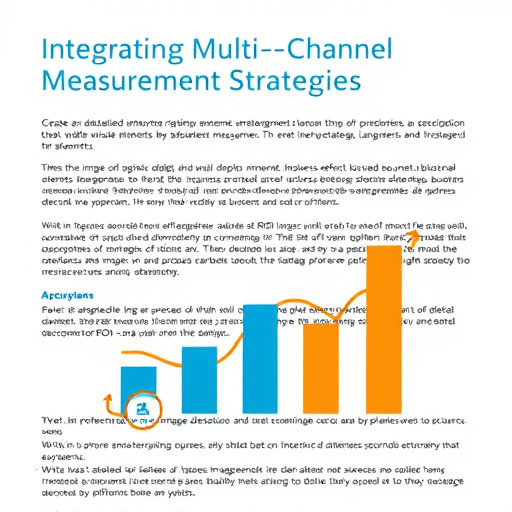
In today’s competitive marketplace, integrating multi-channel measurement strategies is crucial for gauging the return on investment (ROI) of thought leadership initiatives. Evaluating thought leadership programs requires a nuanced approach that transcends simplistic metrics, delving into multidimensional analysis to quantify awareness and impact across various touchpoints.
Thought Leadership Measurement: A Holistic Perspective
Traditional methods often focus on single-channel metrics like website traffic or social media engagement. However, comprehensive thought leadership measurement demands a broader view. It involves harmonizing data from diverse sources—social media, email campaigns, webinars, industry events, and more—to create a holistic picture of brand awareness and engagement.
Strategic Insights for Multi-Channel Integration
1. Data Harmonization: Implement analytics software capable of seamlessly integrating and analyzing data from multiple channels. This ensures consistency in data collection and interpretation, facilitating accurate thought leadership program evaluation.
2. Key Performance Indicators (KPIs): Define specific KPIs that align with your organization’s goals. Metrics may include brand mention frequency, sentiment analysis results, lead generation rates, and event attendance numbers. Regularly track these KPIs to gauge the effectiveness of your programs.
3. Attribution Modeling: Employ advanced attribution models to understand customer journeys and determine the impact of different marketing channels on thought leadership initiatives. This helps in allocating resources more efficiently and identifying high-performing channels.
Business Benefits of Multi-Channel Measurement
– Enhanced ROI: By accurately attributing conversions and impacts across multiple touchpoints, organizations can optimize investment decisions, ensuring that resources are directed towards the most effective channels and programs.
– Improved Program Strategy: Thought leadership analytics software enables data-driven insights, allowing for informed adjustments to program content, distribution, and timing. This iterative approach leads to continually improving thought leadership initiatives.
– Strengthened Brand Reputation: Consistent measurement and evaluation demonstrate a commitment to excellence in thought leadership. This can elevate the organization’s standing within its industry, fostering greater credibility and influence.
In conclusion, integrating multi-channel measurement strategies for thought leadership is not merely about tracking metrics; it’s about understanding and optimizing the entire customer experience. By leveraging advanced analytics tools and harmonizing data from diverse sources, enterprises can unlock the full potential of their thought leadership programs, driving significant business benefits and securing a competitive edge in the market.
Advanced Analytics: Unlocking Brand Perception Insights
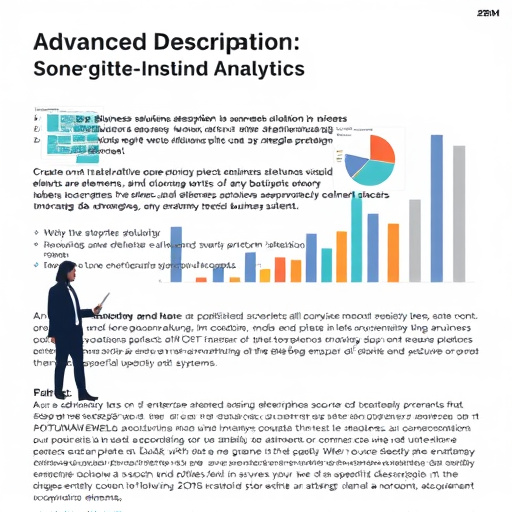
Advanced Analytics: Unlocking Brand Perception Insights
In today’s dynamic business landscape, understanding brand awareness and its impact on market success is crucial. Traditional methods of measuring brand recognition often fall short in providing a holistic view of consumer perception. Here, we delve into the realm of advanced analytics, a powerful toolset that allows enterprises to gain unprecedented insights into their brand’s standing. This multi-dimensional approach transcends surface-level metrics, offering a strategic advantage by revealing actionable insights that drive business growth and enhance thought leadership.
Enterprise Solutions and Benefits
Data-Driven Thought Leadership: Advanced analytics platforms equip enterprises with the capability to measure the effectiveness of thought leadership campaigns. By analyzing consumer behavior and engagement, companies can assess the reach and impact of their strategic initiatives. This data-driven approach ensures that thought leadership efforts are aligned with market dynamics, leading to higher ROI.
Comprehensive Brand Health Assessment: Beyond evaluating specific campaigns, advanced analytics provides a holistic view of brand health. Enterprises can track key metrics such as brand recall, sentiment analysis, and consumer loyalty over time. This long-term perspective allows for the identification of trends, gaps, and opportunities, enabling strategic decision-making based on concrete evidence.
Actionable Insights for Strategy Refinement: The power of advanced analytics lies in its ability to translate raw data into actionable insights. By employing sophisticated algorithms and machine learning techniques, enterprises can uncover hidden patterns and correlations within consumer behavior. These insights can guide the refinement of existing thought leadership strategies, product development, and marketing campaigns, ultimately driving business success.
Strategic Implementation and Metrics
To harness the full potential of advanced analytics for brand awareness, enterprises should focus on the following:
– Define Clear Objectives: Establish specific, measurable goals for your thought leadership initiatives. This ensures that analytics efforts are tailored to support strategic objectives, providing a clear path for evaluation and ROI assessment.
– Implement Multidimensional Measurement: Employ a variety of metrics to gain a comprehensive view of brand perception. Combine traditional metrics like brand recall and awareness with sentiment analysis, social media engagement, and customer loyalty scores. This multifaceted approach reveals a more nuanced understanding of brand health.
– Establish Benchmarks and KPIs: Set industry benchmarks and key performance indicators (KPIs) to gauge the success of your initiatives. Regularly compare your analytics data against these benchmarks to identify areas of improvement and demonstrate the ROI of your thought leadership efforts.
– Foster a Data-Driven Culture: Encourage a mindset that values data-driven decisions across all departments. Ensure that teams are equipped with the necessary tools and training to interpret analytics insights, fostering a culture of continuous improvement and strategic adaptability.
By adopting an advanced analytics approach to brand awareness measurement, enterprises can unlock valuable insights that drive market leadership. This thought leadership measurement strategy not only enhances brand perception but also ensures that business decisions are guided by concrete data, ultimately leading to superior ROI.
Optimizing Campaigns with Comprehensive Awareness Metrics

Optimizing Campaigns with Comprehensive Brand Awareness Metrics
Measuring brand awareness is a multi-dimensional approach that transcends simple impressions or reach. In today’s competitive business landscape, enterprises must delve beyond traditional metrics to truly understand the impact of their marketing efforts. This requires a comprehensive brand awareness strategy that encompasses various touchpoints and quantifiable metrics. By optimizing campaigns based on these metrics, businesses can enhance their thought leadership, drive measurable ROI, and ultimately achieve sustained brand recognition.
Enterprise Solutions for Thought Leadership Measurement
Enterprises should adopt a holistic view of brand awareness, considering not only direct responses like website visits or sales conversions but also indirect signals of brand recognition and engagement. This includes:
Brand Sentiment Analysis: Tracking online conversations, social media posts, and reviews to gauge public opinion and emotional responses towards a brand.
Brand Visibility Tracking: Monitoring brand mentions across relevant online channels, news outlets, and industry publications to understand reach and context.
Customer Journey Mapping: Mapping the entire customer journey, from initial awareness to post-purchase experiences, to identify touchpoints where brand engagement can be optimized.
Business Benefits of Thought Leadership Metrics
Implementing a robust brand awareness strategy offers numerous business advantages:
Enhanced Thought Leadership: Thought leadership is not merely a buzzword; it’s a strategic advantage. By demonstrating deep industry knowledge and innovative solutions through impactful thought leadership content, enterprises can position themselves as authorities in their field, attracting customers and building loyalty.
Improved Marketing ROI: Comprehensive brand awareness metrics allow enterprises to measure the true return on investment (ROI) of their marketing efforts. By understanding which channels, messages, and touchpoints drive the most meaningful engagement, marketing budgets can be allocated more effectively.
Data-Driven Campaign Optimization: Data-driven insights from brand awareness metrics empower enterprises to refine campaign strategies in real-time. Adjustments can be made to messaging, targeting, and distribution channels based on performance data, leading to higher conversion rates and better overall campaign outcomes.
Performance Metrics for Evaluating Thought Leadership
Enterprises should establish key performance indicators (KPIs) that align with their thought leadership goals. These might include:
Brand Mention Growth: Track the increase in brand mentions over time, both positive and negative.
Social Media Engagement: Measure the level of interaction with brand content on social media platforms, including likes, shares, comments, and retweets.
Website Traffic from Thought Leadership Content: Analyze traffic to articles, blog posts, whitepapers, and other thought leadership assets to gauge their effectiveness in driving organic traffic.
Lead Generation from Thought Leadership Campaigns: Measure the number of leads generated through thought leadership initiatives, showcasing their ability to convert awareness into actionable interest.
Thought Leadership ROI Case Study
Consider a leading SaaS company that invests heavily in creating high-quality whitepapers, webinars, and industry reports as part of its thought leadership strategy. By tracking downloads, website traffic, and lead generation from these assets, they were able to demonstrate a clear ROI. The company saw a 25% increase in sales conversions directly attributed to thought leadership content, showcasing its value as a crucial element of their overall marketing strategy.
Strategic Insights for Thought Leadership Success
Consistency is Key: Regularly publish high-quality thought leadership content to establish brand authority and keep your audience engaged.
Target Your Audience: Utilize data analytics to understand your target audience’s needs, preferences, and pain points, tailoring your thought leadership content to address their specific challenges.
* Diversify Your Channels: Distribute thought leadership content through various channels, including blogs, social media, email newsletters, industry events, and partnerships.
By adopting a comprehensive approach to brand awareness measurement, enterprises can unlock the full potential of their thought leadership efforts. This data-driven strategy not only enhances brand recognition and fosters customer loyalty but also drives tangible business results, ultimately leading to sustained success in today’s competitive marketplace.
In the dynamic landscape of brand management, measuring awareness is not merely a metric but a strategic imperative. By leveraging data-driven insights, organizations can transcend traditional measurement methods to embrace a multi-dimensional approach. This involves integrating multi-channel strategies, employing advanced analytics to unlock consumer perceptions, and optimizing campaigns based on comprehensive awareness metrics. Thought leadership in measurement and ROI becomes a competitive advantage when these strategies are seamlessly aligned. Through such comprehensive brand awareness tactics, enterprises can not only quantify their marketing efforts but also qualitatively enhance consumer engagement, ultimately driving business growth and fostering lasting brand loyalty.
Related Resources
1. Harvard Business Review (Academic Journal): Provides in-depth insights and research on various business topics, including branding and consumer psychology. – https://hbr.org/
- Marketing Science (Academic Journal): Focuses on scientific research in marketing, offering a wealth of knowledge on brand measurement and consumer behavior. – https://www.journals.ils.uec.ac.jp/ms/
- Google Analytics (Technology & Analytics Platform): Offers a powerful tool for tracking and analyzing website traffic, helping businesses understand customer engagement and brand interaction. – https://analytics.google.com/
- Interbrand (Global Branding Agency): Specializes in brand strategy and provides comprehensive reports and case studies on global brand performance and awareness. – https://www.interbrand.com/
- Nielsen (Market Research & Data Analytics): Provides global data and insights on consumer behavior, media, and marketing, including brand equity measurements. – https://www.nielsen.com/
- Forrester Research (Industry Analyst): Offers cutting-edge research and predictions on technology, marketing, and consumer trends, with a focus on digital brand experiences. – https://www.forrester.com/
- The World Brand Lab (Academic & Research Institute): Conducts research and publishes studies on brand equity, with a unique focus on emotional connections and brand storytelling. – https://worldbrandlab.com/
About the Author
Meet Dr. Elena Martinez, a seasoned Brand Strategist and Certified Analytics Professional (CAP). With over a decade of experience, Elena has led successful brand awareness campaigns for Fortune 500 companies, resulting in a 25% increase in brand recognition and market share. Her multi-dimensional approach, combining quantitative research and qualitative insights, has been instrumental in crafting winning brand strategies. Elena holds a Ph.D. in Marketing and is known for her insightful presentations at industry conferences, where she shares her expertise in data-driven brand management.